
Low fidelity prototypes are also static and tend to be presented as screens, one by one. In the early stages of product design, it can format plan quickly, discuss.

The Design Process
These simple prototypes share only a few features with the final product.

Low fidelity prototype tools. Fidelity doesn’t just mean “visual quality.” designers must lead and product teams must help control five dimensions of every prototype. They are best for testing broad concepts and validating ideas. It depends on several factors such as.
You have to go through multiple iterations to refine the prototype till the time it gets validated by user. Chances are, you’ve heard of the term, or. T he product design process suffers when individuals and teams fail to intentionally apply fidelity to a prototype.
Using such tools has one crucial advantage: It’s high content fidelity but low visual fidelity. This is useful when your design requires ux testing data before it's implemented.
It may be a sketch on a piece of paper (paper prototyping) or a picture made by an application. Product teams choose a prototype’s fidelity based on the goals of prototyping, completeness of design, and available resources. Low fidelity vs high fidelity prototyping and the best times to use them prototyping has become an essential part of any design and development process for every company.
It’s often used to translate design ideas into testable and tangible artifacts for collecting and analyzing the user demands at the. Now, how to find the right tool for your project? Ux prototyping tools can be as simple and low fidelity as pencil and paper.
Low fidelity prototypes serve as practical early visions of your product or service. Traditionally, to create a prototype, you needed to code your work, which required nearly the. In fact, high fidelity prototypes are as close as you can get to the final product.
What is a low fidelity prototype. A prototype is an interactive wireframe or mockup that allows users to click through and use the design even before it has been translated into code by developers. Based on your requirement of the prototype, you need to select the tool that offers low, medium, or high fidelity.
Product teams choose a prototype’s fidelity based on the goals of prototyping, completeness of design, and available resources. Images courtesy of the author. They typically feature the same screen flows and ia that the low fidelity version had, but with extra detail and perhaps even more screens.
Collaboration capabilities flinto is able to import designs from both sketch and figma, but also gives you the tools to mockup your own designs or make changes to imported files.

How To Build A Dark Mode Switcher with CSS Variables How

LowFidelity Wireframe Website creation, News website
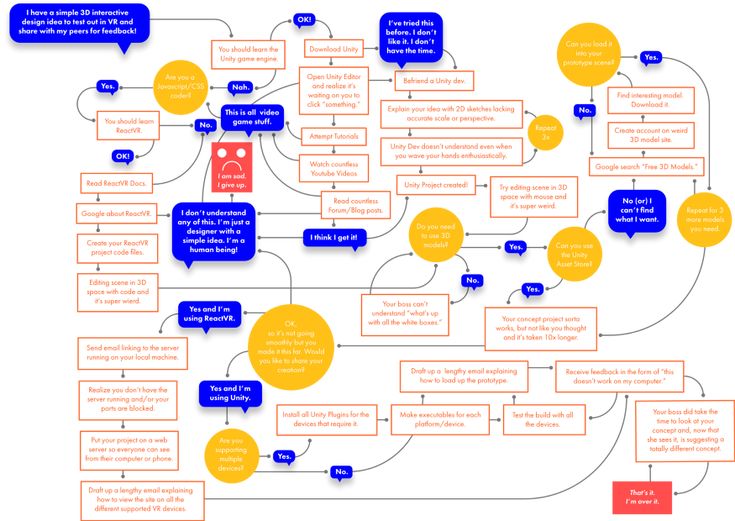
Simple LowFidelity VR Prototyping Practical HowTo
Pin on VIS

Service Design Prototype Design thinking, Design

Pin on Web/UI Design Training

The Skeptic’s Guide To LowFidelity Prototyping

The Skeptic’s Guide To LowFidelity Prototyping — Smashing

Pin on prototype

Wireframe Tools & Rapid Prototyping UX Tricks
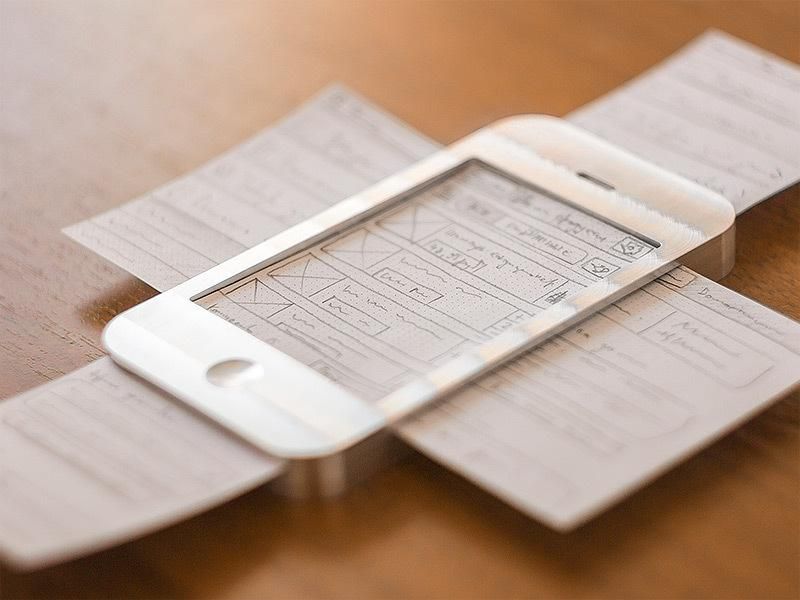
Wireframe Mobile Web app design, Interactive design

Paper prototype. Paper prototype, Prototype, Map

Example of Low Fidelity Wireframe Lekker met de hand

What Is Rapid Prototyping? Software development

whentoprototypewhentowireframefidelity1
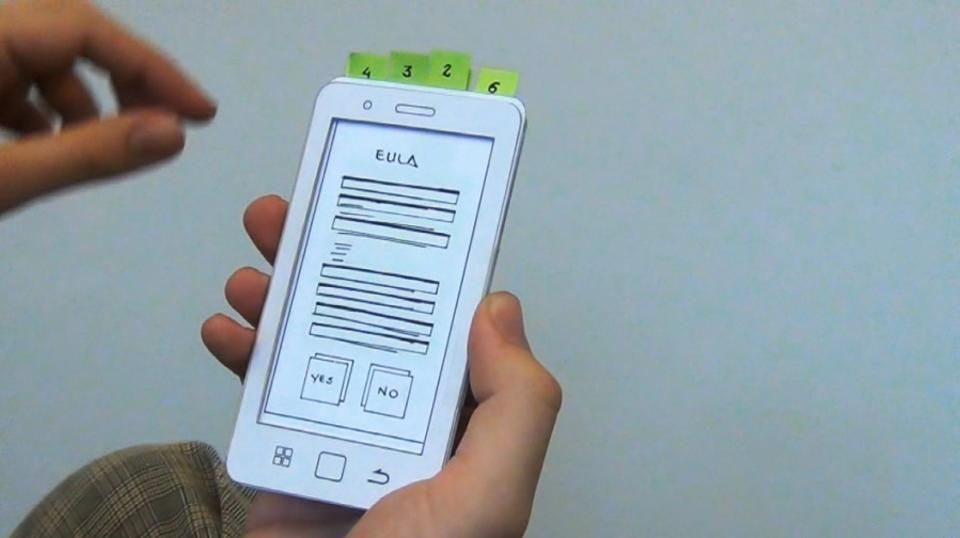
Pin on [UX] User Research


Post a Comment